
Wildlife Problems Often Start with the Building
When wildlife gets inside a commercial property, your first question might be, “How do we get it out?” But the real questions should be: How did it get in?
Florida wildlife can take advantage of small structural vulnerabilities, including gaps around roofs, vents, soffits, doors, and utility lines. Bats, for example, can enter through very small openings, making even minor building damage worth attention.
For facility managers and business owners, identifying these vulnerabilities early can help prevent unexpected maintenance needs and disruptions. That is why commercial wildlife control should start with the structure itself.
Common Wildlife Entry Points
Storms, renovations, and routine wear can create new vulnerabilities over time, so wildlife prevention should be part of ongoing facility maintenance. Areas that often deserve closer inspection include:
- Damaged or loose soffits
- Gaps along rooflines and eaves
- Unscreened vents
- Openings around pipes, cables, and utility lines
- Gaps beneath exterior doors
- Openings around rooftop equipment
- Deteriorated building materials
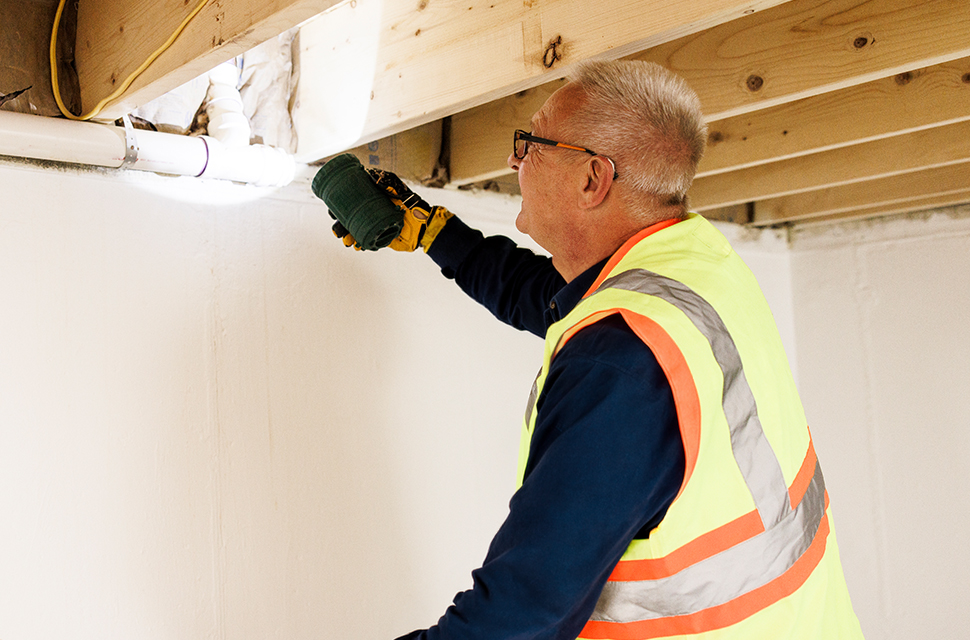
Even when an opening looks easy to repair, it’s important to have a trained professional inspect the property. Wildlife may use multiple access points, including gaps that are difficult to identify without specialized experience. A professional exclusion service helps ensure potential entry points aren’t overlooked.
Concerned about an opening in your commercial building? Schedule a free inspection with Turner Pest Control to identify potential wildlife entry points.
Why Small Openings Can Create Bigger Problems
Once wildlife gains access, the issue can extend beyond the animal’s presence itself. For warehouses, offices, restaurants, or retail properties, wildlife activity can create unexpected maintenance needs and interfere with normal operations. Depending on the species and location, businesses may encounter:
- Droppings or nesting materials
- Damaged insulation or building materials
- Odors and contamination
- Damage around wiring or structural components
- Restricted access to affected areas
- Cleaning or remediation needs
- Operational and reputational disruption
Exclusion Is the Foundation of Wildlife Prevention
Removing wildlife without addressing the entry point can leave the building vulnerable to another problem. Wildlife exclusion focuses on identifying and securing access points to help prevent animals from entering or returning through the same openings. Depending on the situation, that may include repairing gaps, screening vents, securing soffits, or using species-appropriate exclusion devices.
While some repairs may appear straightforward, effective exclusion involves more than sealing visible gaps. Trained professionals know where to look for less obvious entry points and how to secure them using methods appropriate for the species involved. Working with an experienced wildlife exclusion provider helps reduce the risk of missed openings and recurring activity.
Professional identification and proper exclusion methods are essential. The right approach depends on the property, the species involved, and applicable wildlife regulations.
Look Beyond the Obvious Opening
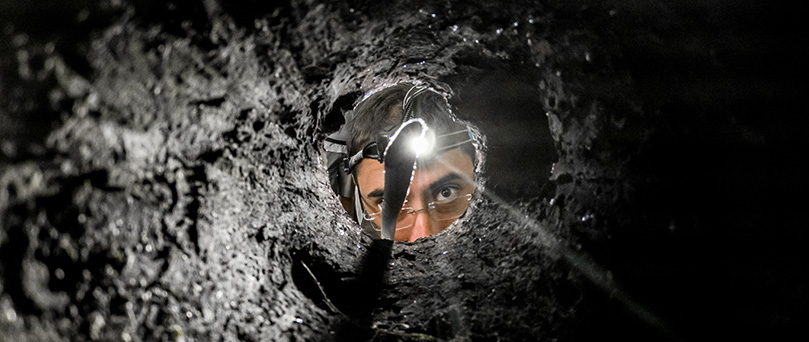
At Turner Pest Control, we know that effective wildlife prevention starts with understanding the entire property, not just the most obvious opening. A thorough wildlife inspection should consider:
- Entry points: Where can animals access the structure?
- Attractants: Are food, water, or shelter drawing wildlife closer?
- Access routes: Are branches, utility lines, or nearby structures making rooflines easier to reach?
- Evidence of activity: Are there droppings, nesting materials, damage, or unusual sounds?
- Changing conditions: Could repairs, storms, or construction create new vulnerabilities?
Looking at these factors together helps identify conditions that may contribute to recurring wildlife activity. It’s an important part of shifting wildlife management from reacting to individual problems toward ongoing prevention.
Ongoing SMART Monitoring Adds Another Layer of Protection
Professional exclusion helps keep wildlife out, but new openings can develop over time, or existing ones may be overlooked. That’s where Turner’s SMART rodent monitoring adds another layer of protection.
By continuously monitoring for rodent activity, SMART can help identify signs that an entry point has been compromised or bypassed. This allows Turner’s team to investigate potential issues early, helping businesses reduce the risk of recurring problems and costly disruptions.
What Can Facility Teams Do?
Commercial property teams can build wildlife prevention into routine maintenance by:
- Inspecting rooflines, soffits, and vents
- Repairing damaged building materials
- Checking door seals and exterior openings
- Securing dumpsters and waste areas
- Managing standing water and other attractants
- Trimming vegetation away from the structure
- Reporting droppings, damage, or unusual sounds early
- Reviewing findings with a pest management provider to identify potential areas of concern
These steps help make a property less accessible and less attractive to wildlife. Turner’s experienced team can also identify potential vulnerabilities, recommend the appropriate exclusion measures, and determine whether ongoing SMART rodent monitoring could provide additional protection.
Helping Florida Businesses Stay Ahead of Wildlife Problems
Our team understands the unique wildlife challenges Florida businesses face. We go beyond addressing immediate activity to identify potential entry points, uncover conditions that may attract wildlife, and recommend solutions designed around your property.
With experienced professionals, proactive wildlife exclusion, 24/7 monitoring technology, and a focus on long-term prevention, Turner helps businesses reduce risks, avoid unnecessary disruptions, and stay focused on what they do best.
Don’t Wait for a Small Opening to Become a Bigger Problem
Schedule a free inspection with Turner Pest Control to identify potential wildlife entry points and take a proactive step toward protecting your commercial property.
Schedule a Commercial Wildlife Inspection(opens in new tab)
Frequently Asked Questions
How does wildlife get into commercial buildings?
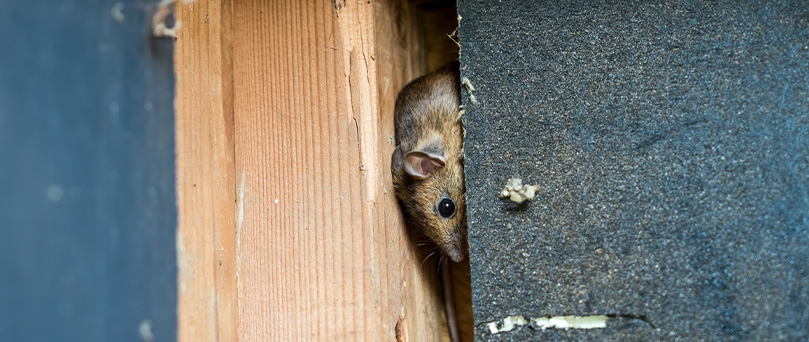
Wildlife can enter through damaged soffits, roof gaps, vents, utility openings, doors, and other structural vulnerabilities. Some species need very little space to gain access.
What is wildlife exclusion?
Wildlife exclusion is the process of identifying and securing entry points so animals cannot enter or re-enter a building. It may include repairs, screening, barriers, or species-specific exclusion devices.
Why is wildlife removal alone not enough?
If the opening that allowed the animal inside remains accessible, another animal may use the same entry point. Prevention addresses both the wildlife activity and the structural conditions behind it.
What wildlife commonly enters commercial properties in Florida?
Potential concerns vary by property and location but can include rodents, squirrels, raccoons, bats, and other animals seeking food, water, or shelter.