
Why Hurricanes and Pest Pressure Go Hand in Hand
Most Florida homeowners plan for hurricane season with shutters, generators, and extra water. Pest control rarely makes the checklist, but it should.
Hurricane conditions bring invaders the perfect opportunity to establish themselves in your home. Flooded soil, destroyed nests, and saturated ground push insects, rodents, and other pests upward toward the elevated, dry, food-rich environment that is your home. At the same time, storm damage can create new entry points and lingering moisture inside walls and under floors feeds the conditions that pests thrive in long after cleanup is complete.
Understanding this connection is the first step toward protecting your home. The second step is acting before the storm hits.
How Rain and Post-Storm Humidity Drive Pests
Mosquitoes Breed Faster in Standing Water
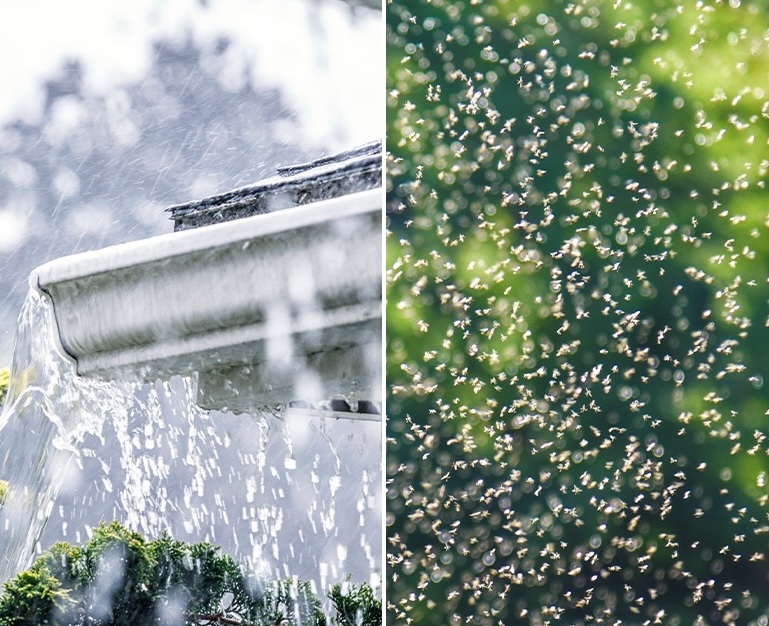
Female mosquitoes only need a bottle cap’s worth of standing water to lay eggs, and a single storm can create dozens of these micro-habitats around your home. Clogged gutters, overturned pots, low spots in the yard, even a folded tarp collecting water are fair game. Within 7-10 days of a storm, mosquito populations can spike significantly.
Elevated Humidity Brings Pests Inside
Florida’s baseline humidity is already among the highest in the country. Post-storm, interior humidity climbs further as moisture seeps through damaged roofs, windows, and foundations. Cockroaches — especially the large American cockroaches commonly referred to as “palmetto bugs” — are highly responsive to moisture. They follow humidity into wall voids, under appliances, and into attics. German cockroaches exploit similar pathways into kitchens and bathrooms. Fire ants, displaced from flooding, relocate and re-establish colonies close to any dry, warm structure they can find.
Soil Saturation Opens the Door for Termites and Rodents
Subterranean termites (the most destructive species in Florida) use moist soil as their primary mode of travel. Post-storm, saturated soil extends their foraging range and, when combined with water-damaged wood in your home’s structure, creates an ideal infestation scenario. Flooded burrows also push rats and mice toward above-ground structures. With storm debris providing cover and damaged homes offering new entry points, post-hurricane rodent pressure can be severe.
 Pre-Storm Prep: What to Do Before a Hurricane Hits
The best time to reduce post-storm pest risk is before the storm arrives. These steps only take a few hours and can significantly reduce the pest pressure you face in the aftermath.
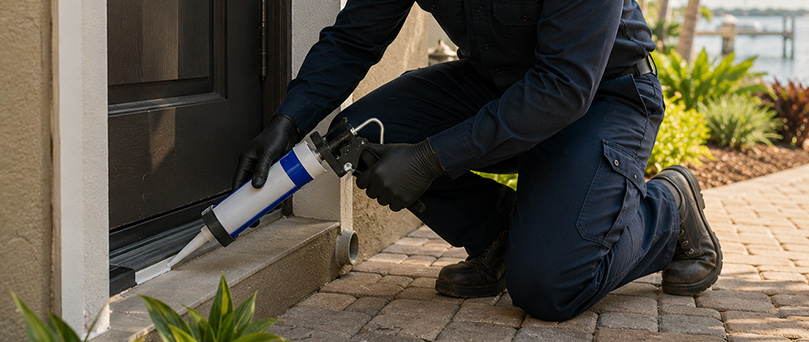
Seal Entry Points
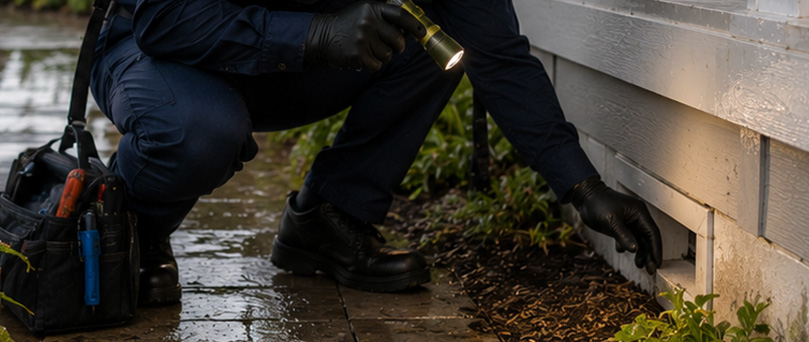
Walk the perimeter of your property and look for any gap larger than a quarter-inch. Mice can compress through openings the size of a dime; cockroaches need even less. Common entry points include:
- Gaps around utility pipes, conduit, and cable lines where they enter the home
- Cracks in the foundation or exterior walls
- Worn weatherstripping around doors and windows
- Gaps between the garage door and the floor
- Vents without intact screens
Use weatherstripping, caulk, copper mesh, or steel wool (for rodent exclusion) to close these points before a storm. A damaged or open home during a hurricane is an open invitation.
Eliminate Standing Water Sources
Before a storm, address anything that could collect water afterward:
- Clean gutters and downspouts so they drain freely
- Empty or store items that collect water (pots, buckets, pet dishes, birdbaths)
- Grade the soil near the foundation to direct water away from the house
- Check that your HVAC condensate drain line is clear
Trim Vegetation and Remove Debris
Overgrown shrubs, tree branches touching your roofline, and piles of yard debris are pest highways that a storm will amplify. Trim back vegetation at least 18 inches from your home’s exterior and remove any wood piles, leaf piles, or organic debris that could serve as harborage.
Schedule a Pre-Season Pest Inspection
A professional inspection before hurricane season identifies existing conditions that a storm will make drastically worse — active termite activity in structural wood, an undiscovered rodent entry point, or a moisture issue in the crawl space. Catching these before a storm is far less expensive and stressful than dealing with a compounded infestation afterward. Turner Pest Control’s pre-season inspections are designed specifically to give Florida homeowners this proactive advantage.
Schedule Your Pre-Season Pest Inspection
Post-Storm Response: What to Watch For After a Hurricane
Once the storm passes and it is safe to move around your property, begin a systematic inspection. Knowing what to look for will help you identify pest pressure early, when it is easiest to address.
Pest Surge Indicators to Watch For
- Increased mosquito activity around standing water (appears within days)
- Cockroach sightings in kitchens, bathrooms, or near exterior doors
- Termite mud tubes on your foundation or in your crawlspace
- Rodent droppings, gnaw marks, or sounds in the attic or walls
- Fire ant mounds appearing in new locations near the home
- Unusual flying ant or termite swarms
- Musty odors that could indicate moisture buildup, driving insect activity
Moisture-Driven Infestations: The Hidden Risk
Water intrusion after a storm does not always announce itself visibly. Moisture trapped inside walls, under flooring, or insulation creates the perfect environment for wood-destroying insects and moisture-loving pests like silverfish and fungus gnats — well after the obvious storm damage has been cleared. If your home sustained any water intrusion, it is worth having a pest professional assess moisture-related risk zones, not just visible damage.
What to Do Immediately After a Storm
- Document and address water intrusion as quickly as possible
- Remove standing water from the property using pumps, shovels, or a wet-vac
- Inspect your home’s exterior walls for new gaps, cracks, or damaged screens
- Check the attic and crawl space for signs of moisture and pest activity
- Contact a pest control professional within the first week if you see any surge indicators
Frequently Asked Questions
How do hurricanes affect pest activity?
Hurricanes displace pests from their natural habitats through flooding and soil disturbance, while simultaneously creating new entry points and moisture-rich environments in homes. The result is a concentrated push of pest activity toward residential structures that typically peaks 1-3 weeks after a major storm.
My home didn’t flood — do I still need to worry about post-storm pests?
Yes. Even homes without direct flooding are affected. Flooded neighboring properties push displaced pests onto higher ground, including your yard and exterior walls. Storm debris, wind damage to screens, and elevated ambient humidity all contribute to post-storm pest pressure regardless of whether your home took on water directly.
How long does the post-hurricane pest surge usually last?
The acute surge typically peaks within 2-3 weeks of a storm and can persist for 4-6 weeks as displaced colonies re-establish. However, moisture-driven issues, such as termites, can develop over months if water intrusion is not fully addressed.
Can I treat for pests myself after a hurricane?
DIY treatments can address immediate visible pests but are unlikely to resolve the root conditions driving the surge. A licensed pest control professional can identify moisture points, hidden entry pathways, and infestation indicators that are not visible to the untrained eye, and apply targeted treatments that are effective even in post-storm conditions.
Don’t Wait for the Storm to Find the Problem
A Turner Pest Control pre-season inspection identifies existing vulnerabilities before a hurricane can turn them into a full-scale infestation. Our local Florida technicians know the pest pressures your neighborhood faces, because they live here too.
Turner Pest Control serves homeowners across Jacksonville, St. Augustine, Gainesville, Tampa, Orlando, and communities throughout Florida.