

What Makes Florida Homes Easier for Rodents to Enter?
Rats and mice are opportunistic. If they can find food, water, shelter, and a small opening, they may make themselves at home. Those openings can be surprisingly small. Mice can squeeze through gaps about 1/4 inch wide, while rats can fit through openings around 1/2 inch wide.
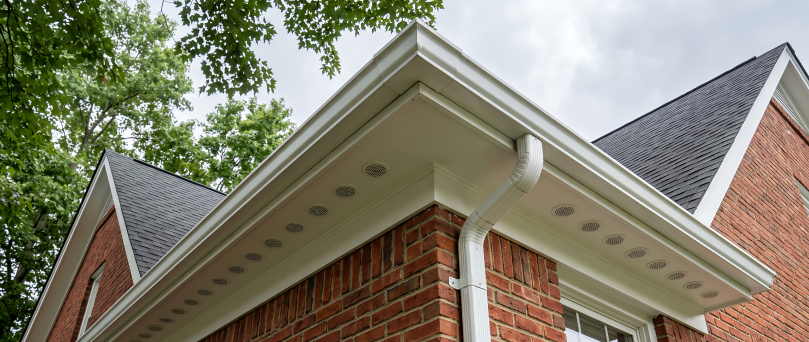
In Florida, roof rats are also strong climbers. Overhanging branches and dense vegetation can give them easier access to roofs, attics, and upper areas of a home. That’s why effective rodent prevention in Florida starts outside.
Where Can Rats and Mice Get Into a House?
Walk around your home and look for potential rodent entry points, including:
- Gaps beneath exterior or garage doors
- Damaged screens or weatherstripping
- Openings around pipes, cables, and utility lines
- Gaps around soffits, fascia, eaves, and rooflines
- Damaged or uncovered vents
- Cracks and openings along exterior walls
- Branches or vegetation touching the home
Check these areas regularly, especially after storms, roof work, landscaping changes, or home repairs.
How Can You Help Keep Rodents Out?
Seal potential entry points
Repair gaps, damaged screens, worn door sweeps, and other openings that could allow rats or mice inside. Durable exclusion materials are important because rodents can chew through some temporary fixes.
Remove food and water sources
Store pet food, birdseed, and pantry items securely. Keep trash containers closed, clean up fallen fruit or spilled food, and repair leaks or areas of standing water.
Trim landscaping
Keep tree limbs and dense vegetation away from the roof and exterior walls. This can reduce pathways that climbing rodents may use to reach your home.
Reduce clutter
Wood piles, cardboard, yard debris, and crowded storage areas can provide hiding and nesting sites. Keeping these areas organized makes your property less inviting.
Download Our Checklist(opens in new tab)
What Are the Signs of Rodents in a House?
You may notice signs of rats or mice before you see one. Watch for:
- Rodent droppings
- Scratching or scurrying noises
- Gnaw marks
- Damaged food packaging
- Shredded nesting materials
- Greasy rub marks along walls or baseboards
If you find rodent droppings, don’t sweep or vacuum them right away. Follow >CDC-recommended cleanup practices, including properly disinfecting the area first.
What Should You Do If Rodents Are Already Inside?
Once rodents enter a home, the goal is to address both the current activity and the conditions that allowed it to happen. A professional rodent control plan may include:
- Identifying entry points
- Exclusion and repairs
- Sanitation recommendations
- Monitoring
- Trapping
- Other appropriate control methods
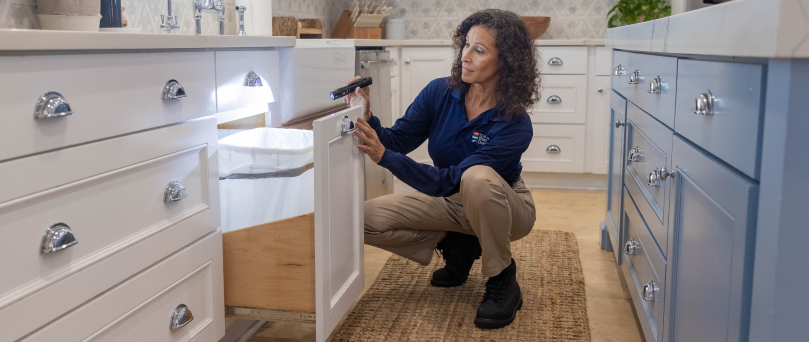
Turner begins with a free inspection to identify signs of rodent activity, potential entry points, and other conditions around the home.
How Can SMART Monitoring Help With Rodent Control?
Turner may use SMART digital rodent monitoring as part of an integrated rodent control plan. Sensors can help identify activity in attics, crawlspaces, and other common travel areas, while trapping devices help address activity. SMART works alongside other rodent-control methods such as exclusion, sanitation, and trapping.
Stay Ahead of Rodent Problems
Rodent prevention doesn’t have to be complicated. A small gap beneath a door, an overhanging branch, or pet food left outdoors can make your property easier for rodents to access. Regular inspections and simple prevention steps can help reduce the risk of rats and mice settling in.
Already seeing signs of rodents or concerned about possible entry points? Schedule a free inspection with Turner Pest Control. Our Florida rodent experts can inspect your home, look for activity and potential access points, and recommend a prevention-focused plan for your property.
Frequently Asked Questions About Rodent Prevention
How do I keep rats out of my Florida home?
Seal potential entry points, trim branches away from the roof, store food securely, keep trash covered, repair leaks, and reduce clutter around the home.
How small of a hole can a mouse get through?
Mice can fit through openings about 1/4 inch wide. Rats can squeeze through openings around 1/2 inch wide.
Are roof rats common in Florida?
Yes. Roof rats are found in Florida and are strong climbers, which makes tree trimming and roofline maintenance especially important for prevention.
What are the first signs of a rodent problem?
Common signs include droppings, scratching noises, gnaw marks, damaged food packaging, nesting material, and rub marks.
Does having rodents mean my house is dirty?
No. Even well-maintained homes can have openings that allow rats or mice inside. Good sanitation helps, but exclusion and regular inspection are also important.
Can professional rodent control help prevent rodents from returning?
A prevention-focused program can help reduce future rodent activity by combining exclusion, monitoring, sanitation, trapping, and other appropriate control methods.