

Why Commercial Buildings Attract Wildlife
Wildlife is constantly moving through its environment in search of food, water, shelter, and safe places to rest or nest. But certain conditions can make a building and the surrounding property more attractive by providing reliable food and water sources, harborage areas, or easier access to shelter.
Sanitation plays an important role in reducing wildlife attractants. Unkept dumpsters or waste areas, accessible food sources, and standing water are examples of conducive conditions that may draw wildlife to a property.
Other conditions, such as dense landscaping, nearby trees, roofline gaps, vents, and openings in exterior materials, may provide harborage or opportunities for animals to approach or enter a building.
While wildlife activity can never be completely prevented, identifying and addressing these conditions can help make your property less attractive and reduce opportunities for animals to settle in or gain access to the building.

Where Wildlife Can Find a Way In
Right now is the perfect time for facility teams to take a closer look at the exterior of the building. Cooler conditions can increase the importance of protected shelter for animals, while small maintenance issues left over from summer storms or heavy rainfall may create opportunities for entry.
Potential access points may include:
- Damaged soffits or fascia
- Roofline gaps
- Unprotected vents
- Openings around utility penetrations
- Damaged screens
- Loading docks and frequently opened doors
- Gaps around exterior building materials
- Tree limbs that provide roof access
- Open spaces beneath structures
Individually, these conditions may seem minor. But together, they can make a property much more inviting.
Why Wildlife Activity Matters for Businesses
A wildlife issue can affect more than the area where an animal was first spotted.
Property Damage
Raccoons, squirrels, and other animals may damage building materials as they enter or move through a structure. Squirrels can also gnaw on wires and other materials, while nesting activity may affect insulation and surrounding components.
Sanitation Concerns
Droppings, urine, nesting material, and food debris can create sanitation concerns, especially in businesses where cleanliness is closely tied to customer expectations or regulatory requirements.
Operational Disruption
Wildlife inside a commercial property can interrupt normal operations. Employees may need to avoid certain areas, maintenance teams may have to respond unexpectedly, and customer-facing businesses may need to address sightings quickly.
Reputation
Visible wildlife can affect how customers perceive a property, particularly in hospitality, food service, healthcare, and other environments where cleanliness matters.
Watch for Early Signs of Wildlife Activity
The first animal you see may not be the first sign of a problem. Recurring activity is especially worth investigating because it may mean the property is providing a dependable food source, shelter, or access point.
As the seasons change, pay particular attention to areas that offer warmth or protection, including ceilings, wall voids, storage areas, mechanical spaces, loading areas, and spaces near rooflines.
Look for:
- Scratching or movement in ceilings or walls
- Droppings or nesting materials
- Damage around vents, soffits, or rooflines
- Chewed materials
- Unusual odors
- Tracks or disturbed materials
- Repeated activity around the same area
Exclusion to Keep Wildlife Out
When wildlife gets inside a commercial building, removal or trapping may be necessary. But resolving the immediate problem is only one part of effective wildlife management. The next question is: how did the animal get inside?
If an entry point or attractant remains, another animal may eventually find the same opportunity. That’s where wildlife exclusion comes in. Exclusion focuses on identifying and correcting the opening animals can use to enter or re-enter a structure, such as gaps around rooflines, vents, utility penetrations, and other exterior openings.
A comprehensive approach may include:
- Wildlife removal or trapping, when appropriate
- Identifying entry points and building vulnerabilities
- Using appropriate exclusion techniques
- Reducing food, water, and shelter sources
- Monitoring areas where activity has occurred
The goal isn’t just to remove the animal that’s there today. It’s to reduce the conditions that could lead to the next wildlife problem.
SMART Rodent Monitoring for Commercial Properties
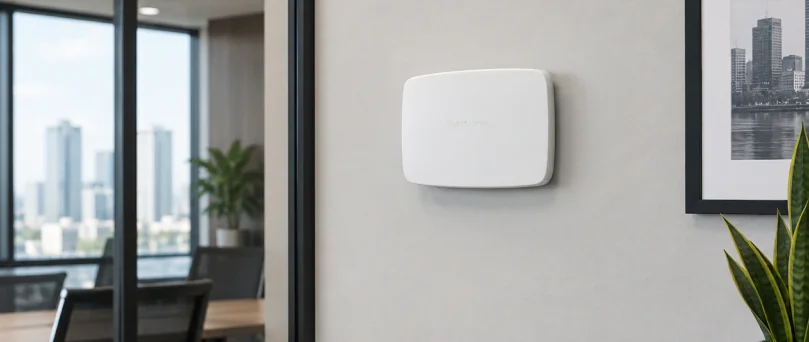
Rodents can be especially difficult to manage because activity often begins out of sight. Turner’s SMART rodent control adds 24/7 digital monitoring and trapping to a broader Integrated Pest Management strategy. Strategically placed devices help detect activity between routine service visits and provide real-time information that helps Turner technicians respond quickly.
Our approach combines property inspection, monitoring, trapping, exclusion, sanitation recommendations, and ongoing analysis to help identify where rodent activity is occurring and reduce the conditions contributing to it.
For commercial businesses, that means greater visibility into rodent activity and a more proactive way to protect operations before a small issue becomes a larger disruption.
Florida Wildlife Requires Local Expertise
Different wildlife species behave differently, create different concerns, and may require different management approaches. The right approach depends on both the property and the species involved.
Some Florida wildlife is protected or subject to specific exclusion requirements, so proper identification should come before openings are sealed. For example, Florida has specific rules related to bat exclusion. Suspected bat activity should be evaluated before exclusion work begins. That means a professional response should look beyond the animal itself and ask:
- Why is it here?
- How did it gain access?
- What is attracting it?
- What needs to change to reduce future activity?
Those questions turn wildlife removal into proactive wildlife management.
How Turner Helps Businesses Stay Ahead of Wildlife Problems
Turner helps Florida businesses manage wildlife with the full property in mind. Our team can evaluate activity, identify vulnerabilities, and recommend the right response based on the species involved and conditions around the property.
Depending on the situation, that may include trapping or removal, exclusion, sanitation recommendations, and preventive measures designed to reduce future activity. Because protecting your business means more than responding after wildlife gets inside. It means reducing the opportunities that brought it there in the first place.
Schedule a free inspection with Turner Pest Control to identify possible wildlife activity and the conditions that may be contributing to it.
Frequently Asked Questions
What kinds of wildlife can enter commercial buildings in Florida?
Commercial properties may encounter raccoons, squirrels, bats, opossums, birds, and other wildlife. The species involved depends on the property, surrounding habitat, and available food, water, and shelter.
Why does wildlife keep coming back to the same building?
Repeated activity may indicate that wildlife has found a reliable food source, shelter, or access point. Removing an animal without addressing those conditions can leave the property vulnerable to future activity.
What is wildlife exclusion?
Wildlife exclusion focuses on preventing animals from entering or re-entering a structure by identifying and correcting possible access points. The exact approach depends on the species and property.
How can businesses help prevent wildlife problems?
Keeping waste contained, maintaining exterior building components, managing vegetation, reducing food and water sources, and routinely checking for potential entry points can all help reduce wildlife activity.