

Table of Contents
- Why Rodent Activity Increases During Summer
- Why Restaurants and Food Facilities Face Higher Risk
- Food Safety, FDA Food Code and Compliance Risks
- Integrated Pest Management: The Best Long-Term Strategy
- Warning Signs to Watch For
- How Digital Monitoring Proactively Detects Rodents
- Protect Your Facility Before Rodents Become a Problem
- Rodent Prevention & Facility Readiness Checklist
- Frequently Asked Questions
Why Rodent Activity Increases During Summer
Many people associate rodents with colder weather, but summer is one of the busiest seasons for commercial rodent activity. Warm temperatures accelerate breeding cycles while outdoor food sources become more abundant. Restaurants, food processing facilities, warehouses and distribution centers produce constant food odors, moisture and waste that naturally attract rodents. In Florida’s humid climate, summer storms, and heavy rainfall also drive rodents to seek dry shelter inside buildings.
Once rodents establish themselves, they reproduce quickly, contaminate food, damage property and become increasingly difficult to eliminate. For restaurants and food facilities in Florida, prevention is far less expensive than responding to an active infestation.
Why Restaurants and Food Facilities Face Higher Risk
Commercial food environments provide everything rodents need to survive:
- Consistent food sources
- Water from sinks, drains and condensation
- Warm mechanical rooms
- Storage areas with limited disturbance
- Kitchen backdoor left unsecure at times to provide additional ventilation
- Frequent deliveries that can unintentionally introduce rodents inside pallets and cardboard shipments
Once inside, rodents often establish nests behind equipment, inside wall voids, above ceilings or in storage areas long before visible signs appear.
Food Safety, FDA Food Code and Compliance Risks
Rodent activity creates significant food safety concerns.
Under FDA Food Code guidance, food establishments must maintain facilities free of pests and eliminate conditions that attract them. Evidence of rodents—including droppings, gnaw marks or nesting materials—may lead to health inspection violations, product loss, operational disruptions and reputational damage.
For distribution centers and food manufacturing facilities, pest activity can also affect customer audits, third-party food safety certifications and supplier relationships.
Preventive commercial pest control is an essential component of every food safety program.
Integrated Pest Management: The Best Long-Term Strategy
Effective rodent control programs follow Integrated Pest Management (IPM) principles. Rather than relying only on bait or trapping, IPM focuses on preventing rodents from entering, and removing the conditions that allow them to thrive.
An effective IPM program includes:
- Professional wildlife exclusion by sealing openings larger than ¼ inch
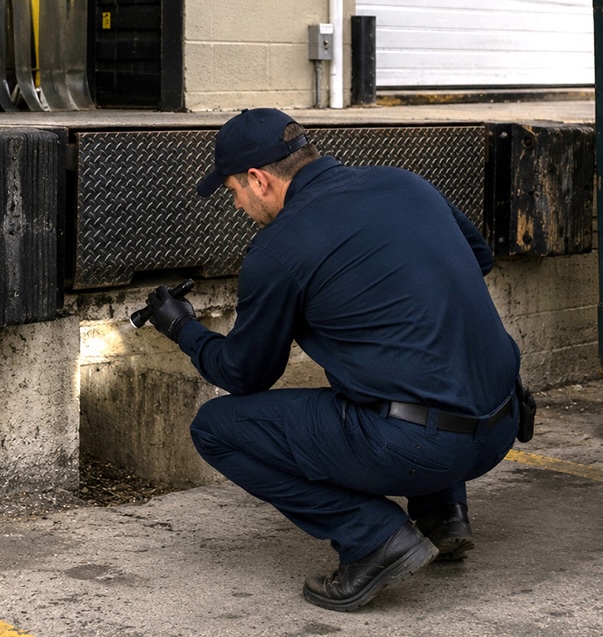
- Regular facility inspections
- Sanitation and waste management improvements
- Vegetation management around the building
- Employee education and reporting procedures
- Continuous monitoring and trend analysis
- Documentation to support compliance efforts
This proactive approach reduces infestations while supporting food safety objectives.
Warning Signs to Watch For
Watch for these early indicators of rodent activity:
- Rodent droppings
- Gnaw marks on packaging or wiring
- Grease marks along walls
- Burrows near foundations
- Scratching sounds
- Nesting materials
- Unexplained product damage
How Digital Monitoring Proactively Detects Rodents
Turner’s SMART rodent monitoring technology continuously monitors rodent devices and immediately alerts pest professionals when activity occurs. Instead of waiting until a routine service visit, technicians receive real-time notifications that allow them to respond quickly before a small issue becomes a widespread infestation.
For restaurants, warehouses and food facilities, this provides several advantages:
- Earlier detection of rodent activity
- Faster corrective action
- Fewer unnecessary inspections
- Better documentation for audits
- Data-driven trend analysis
- Reduced business disruption
Early intervention helps protect food, employees, customers and your brand.
Protect Your Facility Before Rodents Become a Problem
Summer rodent activity in Florida is predictable—but infestations are preventable.
By combining Integrated Pest Management, professional exclusion, employee training and SMART digital monitoring, restaurants and food facilities can reduce risk while supporting food safety compliance and protecting their reputation.
Schedule a Free Comprehensive Assessment with Turner Pest Control today to identify vulnerabilities and build a proactive rodent prevention program tailored to your facility.
Rodent Prevention & Facility Readiness Checklist
Use this quick self-audit to identify vulnerabilities throughout your facility.
Exterior Inspection
☐ No gaps larger than ¼ inch around doors, utility lines or building penetrations
☐ Door sweeps fit tightly
☐ Loading dock doors close completely
☐ Dumpster lids remain closed
☐ Trash and recycling areas stay clean
☐ Vegetation is trimmed away from buildings
☐ Exterior storage is organized and elevated
☐ No standing water near the facility
Interior Inspection
☐ Food stored in sealed containers
☐ Inventory stored off floors and away from walls
☐ Break rooms cleaned daily
☐ Floors free of spills and debris
☐ Storage areas organized
☐ Unused equipment removed
☐ Drains and utility rooms inspected regularly
☐ Check for holes in walls
☐ Rodent evidence reported immediately
Loading Dock & Receiving
☐ Shipments inspected before entering
☐ Pallets checked for rodent activity
☐ Dock seals maintained
☐ Dock doors not left open
☐ Storage areas accessible for inspection
Employee Awareness
☐ Staff recognize signs of rodents
☐ Sightings reported immediately
☐ Proper food handling followed
☐ Employees know reporting procedures
Monitoring & Documentation
☐ Monitoring devices inspected regularly
☐ Pest trends documented
☐ Corrective actions tracked
☐ Service reports reviewed
☐ Recommendations implemented promptly
Frequently Asked Questions
Why are rodents still a problem in the summer?
Warm temperatures speed up rodent breeding cycles, and summer storms push them inside looking for dry shelter, food and water — all of which commercial kitchens provide in abundance.
What makes restaurants and food facilities especially attractive to rodents?
Consistent food sources, water from sinks and condensation, warm mechanical rooms, undisturbed storage areas and frequent deliveries (pallets and cardboard can carry rodents inside without anyone noticing).
Why is Integrated Pest Management (IPM) better than just baiting or trapping?
IPM focuses on prevention — sealing entry points, sanitation, employee training and ongoing monitoring — rather than only reacting once rodents are already inside.
What are the earliest warning signs of rodent activity?
Droppings, gnaw marks on packaging or wiring, grease marks along walls, burrows near exterior foundations, scratching sounds, nesting materials, or unexplained product damage.
What are the most common rodent entry points in commercial properties?
Exclusion details — gaps larger than ¼ inch around doors, utility lines or building penetrations are a frequent entry point, along with loading dock doors left open during deliveries.
What should I do if I find evidence of rodents?
Report it immediately per internal procedures, and consider scheduling a comprehensive professional assessment to identify the source rather than treating an isolated issue.