

Table of Contents
- Why Do Ants Keep Coming Back?
- What You Can Do to Help Prevent Ants
- When Is It Time to Call Turner?
- Ready to Stop the Ant Cycle?
You wiped down the counters. Sprayed the ants you could see. Sealed the sugar. For a few days, the problem seemed solved.
Then, one morning, they were back. Marching across the kitchen counter as if they had never left.
Here is the frustrating truth: The ants you see are usually only a small part of the problem. Getting rid of a few visible ants may provide temporary relief, but it rarely eliminates the colony responsible for sending them into your home.
Understanding why ants keep coming back is the first step toward stopping them.
Why Do Ants Keep Coming Back?
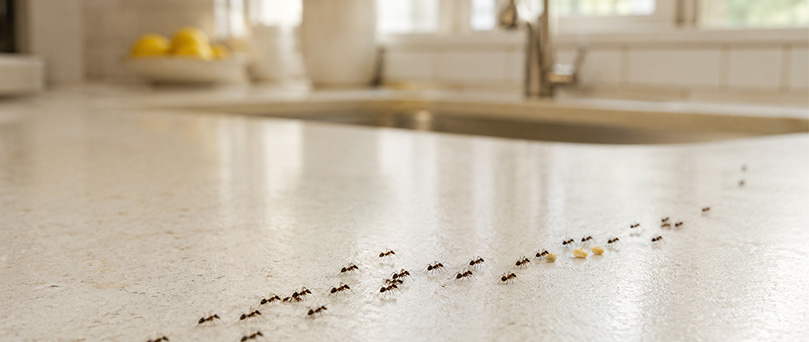
Ants do not enter your home at random. They are searching for three basic necessities: food, water, and shelter. Once they find a dependable source, worker ants create a pheromone trail that helps others from the colony follow the same route.
That is why a few ants can quickly turn into a steady line.
Several factors may be keeping the problem alive:
The Colony Is Still Active
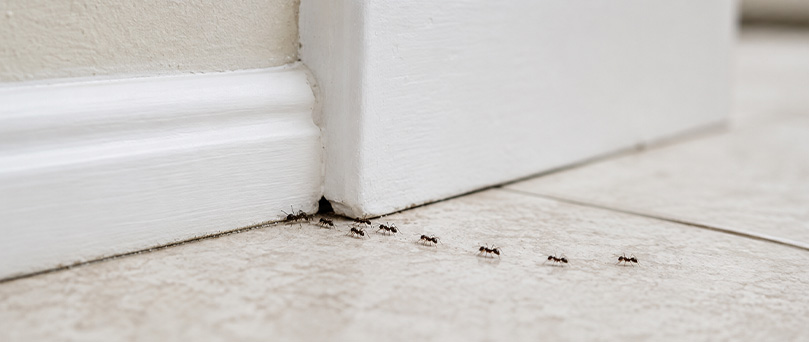
The ants crawling on a counter or along a baseboard are typically worker ants sent to search for resources. The queen and most of the colony may be hidden inside a wall, beneath the foundation, under landscaping, or somewhere else around the property.
Removing the ants you see does not necessarily reach the queen or eliminate the colony. As long as the colony remains active, it can continue sending out more workers.
Your Home Is Providing Food or Water
Even a carefully maintained home can offer ants plenty of reasons to stay. A few crumbs under an appliance, grease near the stove, pet food left in a bowl, or residue inside a recycling container may be enough to support ongoing activity.
Moisture can be just as attractive as food. Leaky pipes, damp cabinets, condensation around windows, and poorly ventilated areas may give ants a dependable water source.
Ants Have Found a Way Inside
Ants can enter through incredibly small openings, including cracks around windows, gaps beneath doors, plumbing penetrations, and spaces where building materials meet.
Tree branches, shrubs, and mulch touching the structure can also create convenient pathways into your home. Unless these access points are addressed, ants may continue returning even after the original trail has been removed.
The Treatment Is Not Reaching the Source
Many household sprays kill ants on contact, but that does not mean they eliminate the infestation. In some cases, spraying can scatter the colony or cause certain ant species to establish additional nesting sites.
Different types of ants also respond differently to treatment. A solution that works for one species may be ineffective for another. Without knowing which ant is invading your home and where it is nesting, it’s difficult to control the infestation.
Florida Weather Can Change Ant Activity
Florida’s heat, humidity, and frequent rainfall create ideal conditions for ants. Heavy rain can flood outdoor nesting areas and send ants searching for higher, drier ground. Hot or dry weather may also push them indoors in search of water.
This means ant activity can suddenly increase even when nothing inside your home has changed.
What You Can Do to Help Prevent Ants
A few practical steps can make your home less inviting and help reduce minor ant activity.
Remove Food Sources
Clean countertops and floors regularly, especially beneath and around appliances and eating areas. Store food in tightly sealed containers and wipe up spills promptly. Do not overlook pet food, which can be an easy meal for ants.
Rinse recyclable containers before placing them in the bin and keep indoor trash cans clean and covered.
Reduce Moisture
Repair leaking faucets and pipes. Wipe up standing water and check beneath sinks for dampness. Pay attention to condensation around windows, refrigerators, and air-conditioning systems.
Also keep sinks, counters, soap dishes, and other damp surfaces clean. Some ants may be drawn to residues from soaps and personal-care products, especially those containing fats or oils.
If ants repeatedly appear in a bathroom, laundry room, or another moisture-prone area, moisture or nearby residues could be contributing to the activity.
Clean Ant Trails
Use soap and water to clean surfaces where ants have been traveling. This can help remove the pheromone trail they leave behind and make it harder for other ants to follow the same route.
Cleaning the trail may interrupt activity, but remember that it does not eliminate the colony.
Seal Potential Entry Points
Inspect the areas around doors, windows, pipes, and utility lines for cracks or gaps. Replace worn weatherstripping and seal accessible openings where appropriate.
Outside, trim branches and shrubs away from the home. Avoid allowing mulch, leaf litter, or other organic material to accumulate directly against the foundation.
Download Our Free Homeowner Guide(opens in new tab)
When Is It Time to Call Turner?
DIY efforts may be enough for a few occasional ants. It is time to consider professional help when:
- Ants keep returning after cleaning, sealing, and baiting
- You see steady trails or activity in multiple rooms
- Ants appear to be coming from walls, outlets, or cabinetry
- You cannot determine where they are entering or nesting
- You suspect carpenter ants or another potentially damaging species
- Outdoor ant activity is widespread across your property
- Store-bought products provide only temporary relief
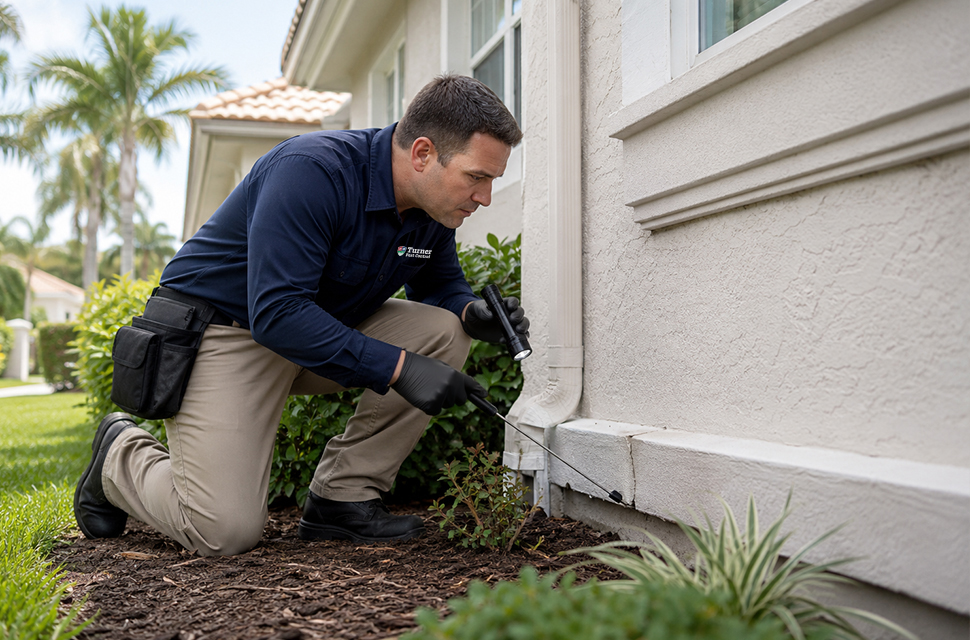
Effective ant prevention begins with correctly identifying the species. Turner’s trained professionals inspect your home and property to determine what is attracting the ants, how they are entering, and where the colony may be located.
From there, we develop a targeted solution based on the ant species and the conditions around your home. This may include treating active areas, addressing exterior nesting sites, and identifying practical steps that can help reduce future activity.
The goal is not simply to kill the ants you see. It is to understand why they are there and help prevent them from continuing to come back.
Ready to Stop the Ant Cycle?
If ants disappear for a few days only to return, the problem is likely more than a few unwanted visitors. Turner Pest Control can help identify the source and create a solution designed for your home.
Frequently Asked Questions
Why do ants keep coming back even after I spray them?
Sprays kill the workers you can see, but they rarely reach the nest itself. As long as the queen and colony stay intact behind a wall, under a slab, or in a landscaping bed, they’ll keep sending out new workers to replace the ones you sprayed.
Where do ants nest if I can’t find a trail outside?
Ants commonly nest underground, inside wall voids near moisture or heat sources, under mulch or firewood piles, or beneath pavement and foundations. A single colony can include thousands of ants, so the workers on your counter may represent only a small fraction of the population.
What ant species are most likely to invade a Florida home?
Odorous house ants (drawn to sweets), carpenter ants (which excavate wood and can signal structural damage), and Argentine ants are among the most common indoor invaders in Florida, while fire ants tend to stay outdoors near soil and landscaping. Identifying the species matters because treatment methods that work on one don’t necessarily work on another.
Do ant baits actually work?
Baits can be effective because worker ants carry the bait back to the colony, exposing ants you never see. Success depends on using a bait that appeals to the specific ant species and placing it where ants are actively foraging.
Some sprays can interfere with baiting by repelling or killing ants before they carry the bait back to the colony. However, certain non-repellent, slow-acting products can be used as part of a professional treatment strategy without disrupting bait activity.
When should I stop treating ants myself and call a professional?
If ants keep returning after cleaning, sealing, and baiting, if you see activity in multiple rooms, or if you suspect carpenter ants or another damage-causing species, it’s time to bring in a professional who can inspect the property and locate the colony rather than just the trail.