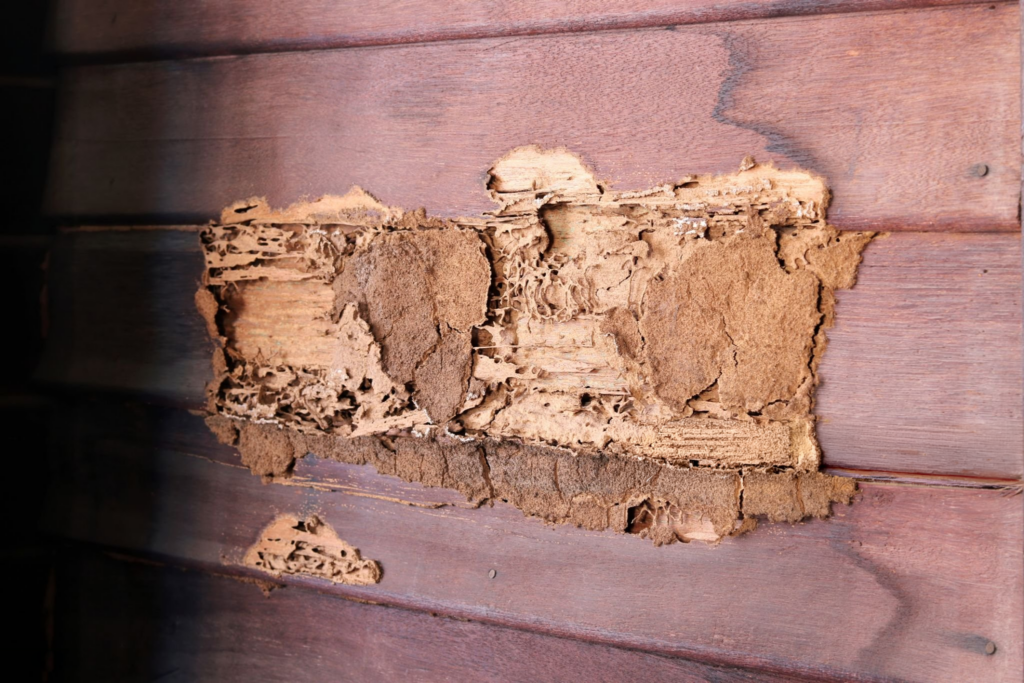
Termites are often called “silent destroyers” because they can chew through wood, flooring, and even wallpaper without being noticed. Unfortunately, in Florida’s warm, humid climate, termite infestations can occur nearly year-round.
Because conditions here often attract termites, homes and commercial properties throughout the state are especially vulnerable. Without proper termite protection, a small colony can grow quickly and cause serious structural issues.
During Termite Awareness Week (March 1-7), the National Pest Management Association (NPMA) encourages property owners to prioritize termite inspection, termite prevention, and professional termite treatment to reduce the risk of costly termite damage.
Early detection and ongoing protection are the most effective ways to protect your property.
Why Termites Are So Dangerous
Several types of termites can cause damage to structures in the United States. The most common termite species include:
- Dampwood termites
- Drywood termites
- Formosan termites
- Subterranean termites
Among these, subterranean termites are responsible for most termite infestations in Florida. These termites live underground and build extensive termite colonies that can contain hundreds of thousands–or even millions–of insects.
Subterranean termites enter structures through small entry points, often through cracks in foundations or around crawl spaces. They travel through distinctive mud tubes to reach wood inside homes and buildings, where they feed continuously.
A single Formosan termite colony can exceed two million termites. Queens in these colonies may lay up to 1,000 eggs per day, allowing infestations to grow rapidly.
Because termites eat damaged wood and structural lumber 24/7, the destruction can progress quickly. In fact, termites cause approximately $6.8 billion in property damage each year in the United States. Unlike other disasters, this type of termite damage is rarely covered by homeowners’ insurance.
Without professional termite control, structural damage can become severe in as little as two years.
Signs of Termite Infestation to Watch For
One of the most common questions homeowners ask is how do I know if I have termites?
The truth is that termite infestations often develop quietly behind the walls or beneath the flooring. However, there are several signs of termite infestation you can watch out for.
Common termite damage signs include:
- Discarded wings near windows, doors, or light fixtures
- Mud tubes along foundations, walls, or support beams
- Hollow-sounding wood when tapped
- Bubbling paint or warped surfaces
- Visibly damaged wood or blistering floors
- Small piles of termite droppings
- Near wood structures
Even a single sign of termites can indicate a much larger hidden colony. If you notice any of these warning signs, scheduling a professional termite inspection with a termite inspector is essential.
Why Professional Termite Inspection Matters
A professional termite inspection is the first step in protecting your property from termite damage. During an inspection, a certified termite inspector will carefully examine your property for signs of termite activity and potential risk factors. Inspections typically include checking:
- Foundations and structural wood
- Crawl spaces and basements
- Attics and roof structures
- Exterior walls and entry points
- Landscaping areas that may attract termites
Professional inspectors also look for conditions that lead to infestations, such as moisture issues, wood-to-soil contact, and untreated structural lumber. We recommend annual inspections to detect problems early and prevent termite colonies from growing unnoticed.
Professional Termite Protection with Integrated Pest Management
At Turner Pest Control, we use Integrated Pest Management (IPM) protocols to provide long-term termite protection for Florida properties. This proactive strategy focuses on prevention, monitoring, and targeting treatment, rather than relying solely on chemical applications.
Thorough Termite Inspections
Regular inspections help detect early termite infestations before serious damage occurs.
Customized Termite Treatment
If activity is detected, technicians develop a targeted termite treatment plan based on the termite species and the severity of infestation.
Termite Bait Station Installation
Advanced termite baiting systems monitor termite activity and eliminate colonies through controlled installation around the structure.
Preventative Barriers
Protective barriers help stop subterranean termites before they reach structural wood.
Continuous Monitoring
Ongoing monitoring ensures colonies do not return and helps maintain reliable termite control year-round.
How to Avoid Termites: Prevention Tips
While professional services provide the strongest protection, there are several steps property owners can take to support termite protection. Here are some effective ways to avoid termites:
- Keep mulch and wood debris away from foundations
- Repair plumbing leaks and reduce moisture near the structure
- Seal cracks and other possible entry points in foundations
- Store firewood away from buildings
- Ensure crawl spaces have proper ventilation
- Schedule annual inspections with a pest control professional
Reducing moisture and wood contact with soil can significantly reduce the conditions that attract termites. Combining these prevention steps with professional termite control services offers the best protection.
Limited-Time Offer
$99 Off Termite Protection
Enroll in a new recurring termite protection bundle and receive $99 off termite protection services. This offer includes professional termite inspection and ongoing maintenance designed to prevent costly termite damage.
Termites work silently, but the destruction they cause can be devastating. Scheduling an inspection now can help detect termite activity before the next termite swarm season peaks.
Did You Know? Termite Facts
Silent Destroyers
Termites often chew through wood and other materials without being seen.
Nonstop Feeders
Subterranean termites feed continuously, which accelerates structural damage.
Massive Colonies
Some termite colonies can grow to more than two million termites.
Egg-Producing Queens
Formosan termite queens can produce up to 1,000 eggs per day.
Global Impact
Scientists estimate termites make up roughly 10% of the world’s living biomass.
Frequently Asked Questions
What attracts termites to a property?
Termites are attracted to moisture, wood, mulch, and untreated lumber. Cracks in foundations, damp crawl spaces, and wood-to-soil contact also create ideal entry points.
When is the best time for termite treatment?
Termite treatment can be performed year-round, but prevention before or during termite swarm season is especially important.
How often should termite inspections be scheduled?
We recommend annual termite inspections for homes and commercial properties. High-risk properties may benefit from more frequent monitoring.
Is termite damage covered by homeowners insurance?
In most cases, homeowners’ insurance does not cover termite damage, because it is considered preventable maintenance.
Are termite treatments safe for family and pets?
Yes. Professional pest control treatments are applied in controlled, targeted ways designed to minimize exposure while effectively eliminating termites.
Schedule Your Termite Inspection with Turner Pest Control Today!
If you’ve noticed signs of termite infestation, termite damage, or simply want peace of mind, scheduling a professional termite inspection is the first step. Our experts at Turner Pest Control provide trusted termite treatment and protection designed specifically for the needs of Florida properties. Our team can help identify potential risks, eliminate active termite infestations, and recommend long-term termite prevention solutions.
Don’t wait until termite damage becomes costly. Schedule your termite inspection with Turner Pest Control today and protect your home or business with reliable termite protection and expert care.