What are Tussock Moth Caterpillars?
If you’ve noticed fuzzy, colorful caterpillars feeding on the leaves of your oak or cedar trees, or crawling around your house this spring, you may be looking at a tussock moth caterpillar. There are three species of tussock moths found throughout Florida, and they’re especially abundant throughout North and Central Florida starting around March 1st each year.
These caterpillars are easy to recognize:
- Color: Dark brown to yellow with distinctive red heads
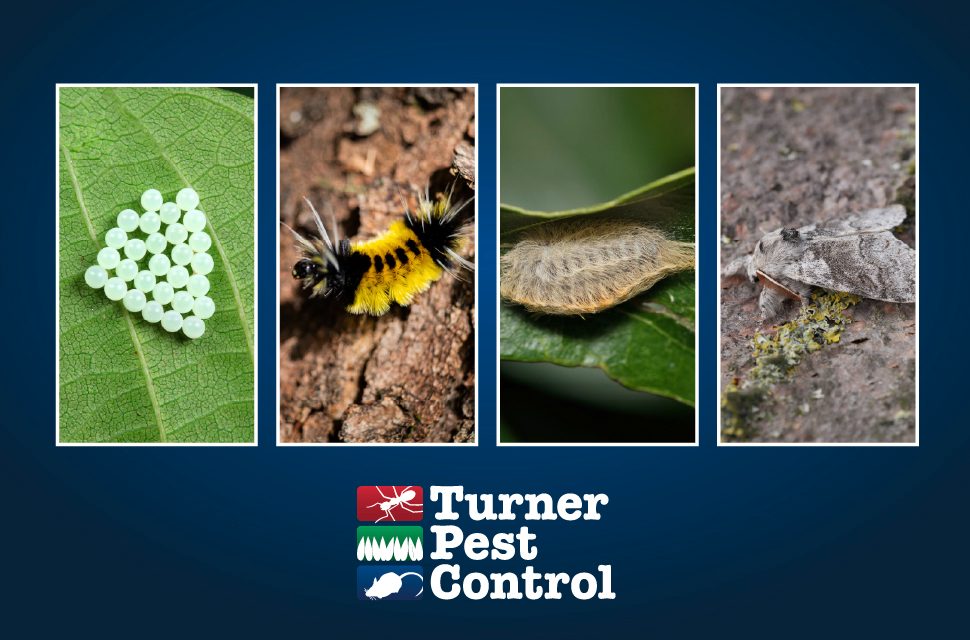
- Hair: Dense tufts of hair along the back, black hair pointing forward like antennae, and a fluffy tuft at the rear resembling a tail
- Size: Typically 1 to 1.5 inches in length
While they may not look dangerous, contact with their hair on bare skin can cause irritation or even red welts. If you or your family spend time outdoors, it’s important to understand the signs of tussock moth migration.
The Tussock Moth Life Cycle
Understanding the tussock moth’s life cycle can help you take action at the right time.
Mid-to-late February: Eggs overwinter and begin to hatch.
March through April: Caterpillars emerge and feed primarily on the leaves of oak and cedar trees for four to six weeks.
Mid-April to early May: Adult moths emerge. Female adults are flightless and remain in their cocoons to attract males.
After mating: Females lay eggs directly on the cocoon, seal them with a natural secretion, and then die off, beginning the overwintering cycle.
The most common Florida species produces one generation per year, while the other two can produce a second generation of caterpillars later in the season.
Should I Control Tussock Moth Caterpillar Populations Near My Property?
This is one of the most common questions homeowners ask when they spot these fuzzy visitors. However, the honest answer is that it’s complicated.
Tussock moths have natural predators, including birds, paper wasps, and large ground beetles, that help keep populations in check. In most cases, a healthy yard ecosystem will manage moderate numbers without any intervention needed.
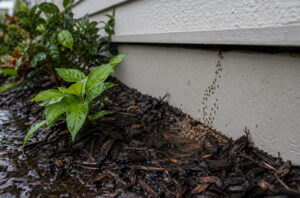
But when caterpillars begin migrating from trees toward your home in large numbers, they can deposit cocoons on your siding, eaves, and outdoor furniture. At that point, pest management may be necessary.
The challenge is timing. While treatments can still be applied during migration, acting before caterpillars begin moving toward your home allows for the most effective intervention. That’s why knowing what to watch for makes all the difference.
Other Frequently Asked Questions
When are tussock moth caterpillars the most active in Florida?
Tussock moth caterpillars are most active across Florida from early March through mid-April. Adults emerge between mid-April and early May, and some species produce a second generation of caterpillars later in the year.
What trees do tussock moths prefer?
Tussock moth caterpillars are most commonly found feeding on the leaves of oak and cedar trees. If you have these trees on or near your property, it’s worth keeping a close eye out during peak season.
How do I keep tussock moth cocoons off my house?
The most effective DIY method is regularly walking your property with a broom during caterpillar season and sweeping any climbers into a bucket of soapy water before they have a chance to cocoon on your siding or eaves. Scheduling a professional pest inspection can also help you stay ahead of the problem.
How to Minimize Tussock Moth Cocoons Near Your Home
While professional pest control provides the most reliable protection, there are practical steps homeowners can take to reduce the number of cocoons that end up on their property.
Manual removal: Walk around your property with a broom and sweep climbing caterpillars into a bucket of soapy water. This is one of the most effective low-risk methods to keep numbers down before they cocoon on your home’s exterior.
Spot treatment: Targeted treatment of wandering caterpillars using approved products is possible, but care must be taken to prevent secondary poisoning of predators and to avoid any runoff into nearby water sources. This is best handled by a licensed pest control professional.
Reduce harborage areas: Keep mulch and leaf debris away from the base of your home and trim back oak or cedar trees that overhang your property when possible.
Safe Pest Control for Tussock Moths
When it comes to tussock moth pest control, safety matters. At Turner Pest Control, we use Integrated Pest Management (IPM) protocols that prioritize targeted, responsible treatment over broad chemical applications.
Our approach includes:
- Thorough property inspections to identify pest activity and risk areas specific to your home
- Customized treatment plans based on the pest species, the severity of activity, and the unique conditions of your property
- Preventative recommendations to reduce conditions that attract pests season after season
- Scheduled monitoring so issues are caught before they become costly problems
Professional pest control treatments are applied to minimize exposure while effectively addressing the infestation. Our team is trained to handle Florida’s unique pest pressures safely and effectively.
Don’t Wait Until Caterpillars Are at Your Door
Tussock moth season in Florida moves quickly. By the time you’re seeing large numbers of caterpillars crawling toward your home, the window for the most effective intervention has already narrowed. The best approach is a proactive one. Know the signs, act early, and have a trusted pest control partner in your corner!
Our experts can assess your property, identify active pest activity, and recommend a protection plan tailored to your home. Contact us today and take the first step toward a pest-free spring.