
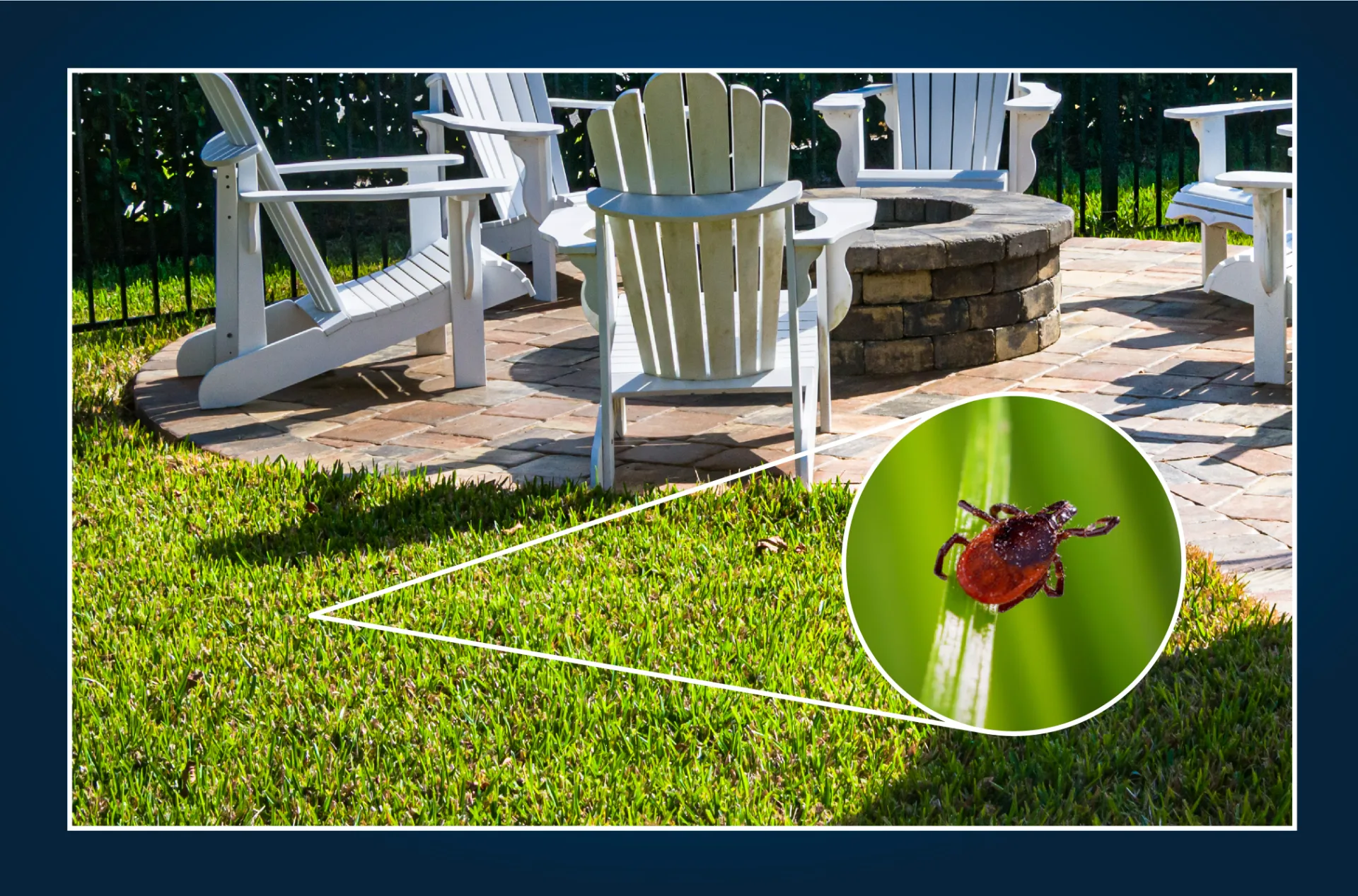
| Bottom Line: Florida’s climate means ticks don’t follow the same seasonal rules that homeowners in other states might be used to. There’s no hard freeze to reset the clock, no predictable off-season, and no safe assumption that your yard is tick-free just because it looks well-kept. Ticks are active earlier in the year than most people expect; they’re just as comfortable in a suburban backyard as in the woods, and most bites go completely unnoticed until the damage is done.
A combination of good habits and professional lawn tick control is essential to protecting yourself, your family, and your home. Turner Pest Control has been protecting Florida families for over 50 years. When you’re ready to take ticks seriously, we’re ready to help. |
Tick Awareness Week is May 3-9. For Florida homeowners, the timing couldn’t be more important. As temperatures climb and outdoor activity picks up, ticks are already on the move. If you spend time in your backyard, take the dogs for a walk, or let the kids play in the grass, knowing how to protect yourself and your property is essential.
This week, Turner Pest Control is here to help you understand the risks, bust some common myths, and take action before ticks take hold.
How to Be Tick-Consious This Spring and Summer
Tick prevention isn’t complicated, but it does require a few consistent habits.
On your body:
- Wear long sleeves and pants when walking in wooded areas or along trail edges. Tuck your pants into your socks when possible.
- Use EPA-registered insect repellent containing DEET, picaridin, or permethrin, but note which products are safe for skin contact (permethrin is safe to be applied to your clothes, not your skin).
- Do a full-body tick check after spending time outdoors, paying close attention to the hairline, behind the knees, underarms, and ears.
- Shower within two hours of coming indoors. This can help remove unattached ticks and is a good opportunity to do a thorough check.
For your pets:
- Talk to your veterinarian about tick prevention products for your pet.
- Check your pets for ticks after every outing — ticks can travel from your pet to you!
- Keep pets on designated paths during walks to reduce contact with tall grass and brush.
When you find a tick:
- Remove it promptly using fine-tipped tweezers. Grasp the tick as close to the skin as possible, and pull upward with steady, even pressure.
- Do not twist, crush, or apply heat to the tick.
- Clean the bite area with soap and water.
- Monitor for symptoms such as rash, fever, or fatigue in the weeks following a bite, and consult your doctor if any appear.
How to Deter Ticks from Your Yard
Your yard is your first line of defense against ticks. Ticks don’t fly or jump; they wait on vegetation and attach when a host brushes by. That means your landscaping choices directly affect the presence of ticks around your home.
Yard maintenance tips for tick prevention:
- Mow regularly. Ticks thrive in tall grass. Keeping your lawn trimmed reduces the environment they prefer.
- Create a buffer zone. Place a barrier of mulch or gravel (at least 3 feet wide) between your lawn and any wooded areas or dense shrubs. Ticks are less likely to cross open surfaces.
- Remove leaf litter and brush. Ticks shelter in damp, decaying organic matter. Clear leaf piles, brush, and debris near patios, play areas, and entryways.
- Stack wood neatly. Wood piles, especially in shady areas, attract rodents, which are primary hosts. Keep firewood stacked in a dry, sunny spot away from your house.
- Manage wildlife. Deer, raccoons, and other wildlife can carry ticks into your yard. Secure trash cans and remove bird feeders during peak tick season.
- Consider professional lawn tick control. A targeted treatment from a licensed pest control professional can significantly reduce the tick population in your yard and create a protective barrier around your home.
Tick Myths
Misconceptions about ticks can leave you more at risk than you realize.
Myth #1: Ticks aren’t active until summer
This is false. Many people assume ticks are a summer problem and don’t consider tick prevention until July. In reality, ticks can become active as soon as environmental conditions allow. In Florida, that could mean as early as late winter or early spring. Warm temperatures and humidity are the primary triggers for tick activity, not the calendar date. By the time summer officially begins, tick populations are often already well-established. Don’t wait for the season to change before protecting yourself and your yard!
Myth #2: Short walks mean low tick exposure
This is false. The duration of your walk matters far less than where you walk. Ticks practice a behavior called “questing,” where they perch on tall grass, brush, or vegetation along trail edges with their front legs extended, waiting for a passing host. A five-minute walk through an overgrown path carries real exposure risk. You don’t have to spend hours in the woods to pick up a tick. Anywhere vegetation crowds the trail or lawn is a potential tick zone, regardless of how quickly you pass through it.
Myth #3: Ticks only live in the woods
This is false, and one of the most dangerous assumptions homeowners can make. Your home doesn’t need to be close to a wooded area to have a tick problem. In reality, ticks are commonly found in suburban yards, especially in leaf litter, along fence lines, in ornamental shrubs, and anywhere where raccoons or deer pass through. A well-maintained suburban lawn without any obvious “wild” areas can still harbor ticks, particularly along edges and in shaded, damp spots.
Myth #4: You’ll always feel a tick bite
This is false. Many tick bites are painless, and you might not feel them at all. Ticks also produce a small amount of saliva with anesthetic properties, which makes detection even less likely in the moment. To make matters more challenging, nymphs (juvenile ticks) are often no larger than a poppy seed, making them extremely easy to miss on a visual check. By the time many people discover a tick, it has already been attached for hours. This is why thorough, deliberate tick checks after time outdoors matter far more than waiting to feel something.
Frequently Asked Questions
What tick species are common in Florida?
The most common ticks in Florida are the American dog tick, the lone star tick, and the brown dog tick. The black-legged tick (deer tick), known for transmitting Lyme disease, is also present but less widespread. Each species has slightly different habitat preferences and host behavior, which is why a broad approach to tick prevention — both on your person and in your yard — is the most reliable strategy.
Can ticks survive in my yard year-round in Florida?
Yes. Florida’s mild winters mean ticks don’t experience the hard freezes that kill or dramatically reduce tick populations in northern states. While activity does slow during cooler stretches, ticks can remain viable throughout the year in Florida. Year-round tick prevention, rather than a seasonal approach, is the more appropriate strategy for Florida homeowners.
Does Florida’s rainy season make tick problems worse?
It can. Florida’s rainy season runs roughly from June through September, bringing the warm, humid conditions in which ticks thrive. Faster vegetation growth creates more questing habitat, and the overall moisture level supports longer tick survival. Homeowners who treat their yards proactively in late spring are in a much better position heading into the season’s peak.
Should I treat my yard before the rainy season starts?
Yes! Timing your lawn tick control treatment before the rainy season begins gives you the best protection window. Once conditions turn consistently hot and humid and vegetation thickens, tick populations can establish quickly. A professional treatment applied in late spring creates a barrier before activity peaks, rather than playing catch-up.
Is professional tick treatment worth it if I keep my yard maintained?
Good yard maintenance can meaningfully reduce tick habitat, and it’s always worth doing. But it doesn’t eliminate the risk, particularly if wildlife moves through your property or you live near wooded or naturalized areas. Professional tick pest control treatments reach areas and harborage points that routine maintenance doesn’t address, and they provide residual protection over time.
Protect Your Home This Spring. Book a Pest Inspection with Turner.
At Turner Pest Control, our lawn and outdoor services are designed to reduce tick pressure around your home, creating a protective barrier between your family and the pests that carry real health risks. Our licensed technicians know Florida’s pest landscape, Florida’s weather patterns, and exactly where ticks like to hide.
Don’t wait for a bite to take action.
Book a Spring Pest Inspection Today